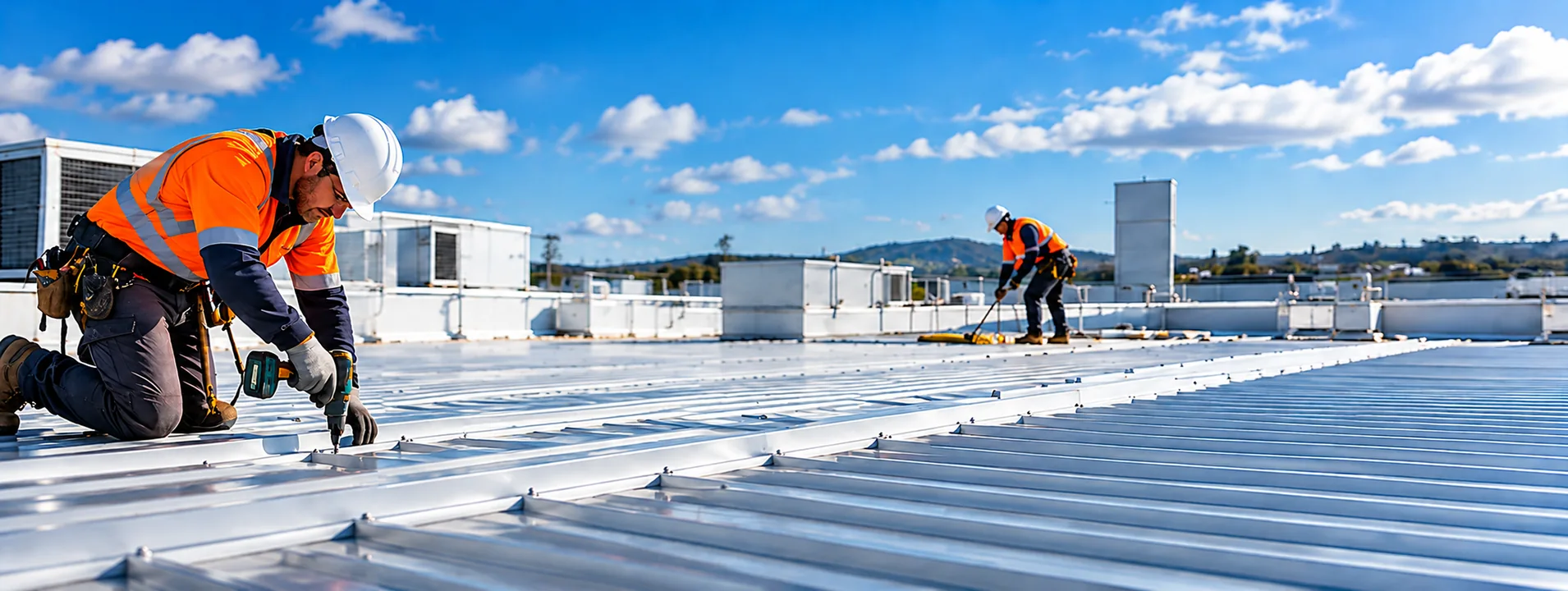
Commercial Flat Roofing Canterbury
Commercial Flat Roofing and Waterproofing Christchurch
Concerned about ponding water or flat roof leaks? Request an assessment. Get a Free Estimate
Flat and low-slope commercial roofs need careful waterproofing and drainage design. Unlike steeply pitched roofs, they may drain more slowly and rely on specific membrane systems, outlets, junction details, and installation methods to keep water out.
Commercial Roofing Christchurch discusses flat roof and waterproofing solutions for commercial premises throughout Canterbury, including offices, retail buildings, industrial facilities, and extensions.
We focus on identifying the roof's construction, existing waterproofing material, drainage arrangement, and visible defects before recommending repairs, refurbishment, or replacement.

A flat roof needs more than a waterproof surface. Falls, outlets, penetrations, upstands, and junctions all contribute to reliable performance.
We assess visible membrane condition, drainage, surface damage, ponding, and junction details. The investigation helps determine whether the roof may be repaired or whether more extensive work should be considered. Hidden moisture and substrate condition may require further specialist investigation.
Commercial flat roofs may use different waterproofing membrane systems depending on the design and existing construction. Material compatibility, substrate preparation, falls, and installation requirements are important. We discuss options appropriate to the project and relevant manufacturer specifications.
Water entry may occur at membrane seams, penetrations, outlets, upstands, or damaged sections. We investigate likely causes and assess whether localised repair is practical. The condition and type of existing membrane influence the available repair methods.
Standing water can indicate inadequate falls, blocked outlets, or other drainage problems. Some systems are designed to tolerate limited ponding, but persistent water accumulation warrants investigation. We review visible drainage conditions and discuss suitable corrective work.
Air-conditioning units, vents, skylights, walls, and roof edges create areas requiring detailed waterproofing. We consider these interfaces when assessing flat roof performance. Repairs need to be compatible with the existing system and appropriate to the building.
| Service | Estimated Cost | Average |
|---|---|---|
| Flat roof inspection | Quoted by scope | Site-specific |
| Localised membrane repairs | Quoted after assessment | Damage-dependent |
| Flat roof waterproofing | Project quotation | System-dependent |
| Full flat roof refurbishment | Project quotation | Design-dependent |
Costs depend on roof area, membrane type, substrate condition, drainage, access, insulation, and the extent of preparation or replacement required.
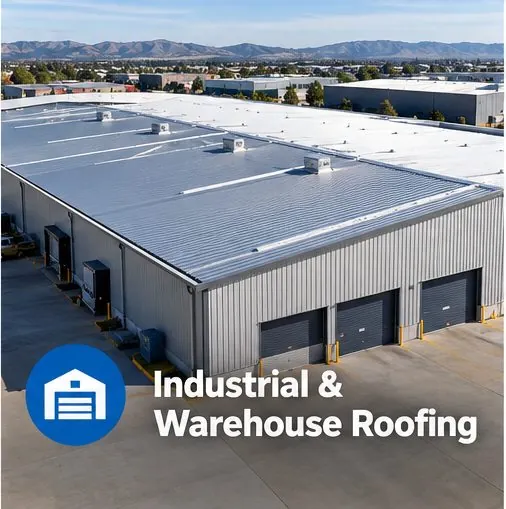
We pay attention to outlets, penetrations, seams, upstands, and junctions.
We consider how water moves across and leaves the roof.
We discuss repair and replacement methods appropriate to the existing roof construction.
Low-slope commercial roofs rely on effective drainage and careful waterproofing at joints, upstands, outlets and penetrations. Standing water and deteriorated membranes can increase the risk of water entering occupied areas.
The right response depends on the existing membrane, substrate condition and drainage design. Contractors may recommend local repairs, membrane renewal or wider improvements after an assessment. Avoid assuming a coating alone will resolve persistent ponding.
A clear project brief helps a contractor determine what information is needed before visiting. Include the roof type, the building use, known defects, access constraints and any deadlines. Avoid entering unsafe roof areas to take photographs; observations from the ground or inside the building can still be useful.
Roofing costs vary with materials, roof area, pitch, access, removal needs, drainage detailing and the extent of hidden deterioration. A site-specific quotation is more reliable than a generic square-metre figure. Confirm what the quoted scope includes and how unexpected defects would be handled.
Commercial Roof Replacement · Commercial roofing in Hornby · Commercial roofing in Sockburn
For commercial flat roofing & waterproofing, submit the building location and project details through the estimate form. Commercial Roofing Christchurch passes suitable enquiries to independent local roofing contractors, who contact you about assessment arrangements and provide quotations directly.
Before agreeing to any work, discuss proposed materials, access and safety arrangements, likely disruption, drainage details and the scope of the quotation with the contractor.
When investigating a low-slope roof, ask about the condition of outlets, membrane laps, upstands and rooftop equipment supports. Ponding water may indicate drainage or substrate issues that need attention beyond the visible membrane. The contractor should explain the proposed waterproofing system, substrate preparation and how the finished roof will drain.
An initial discussion may help identify likely options, but accurate pricing and technical recommendations usually depend on the building and roof condition. A contractor can advise what assessment is required.
Commercial Roofing Christchurch refers suitable enquiries to local independent roofing contractors. The contractor discusses availability, inspection, scope and quotation directly with the customer.
Need help with a flat commercial roof? Tell us about the building and the waterproofing issue.
Free — no obligations
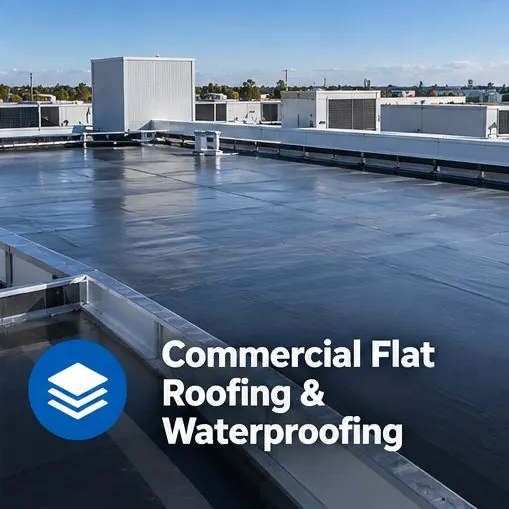
Review the building, roof construction, leak history, and project requirements.
Inspect accessible membranes, drainage, penetrations, and visible defects.
Discuss repair, waterproofing, or replacement options and any further investigation needed.
Complete agreed work using methods appropriate to the specified system.
Discuss drainage checks, inspection intervals, and care of the waterproofing system.