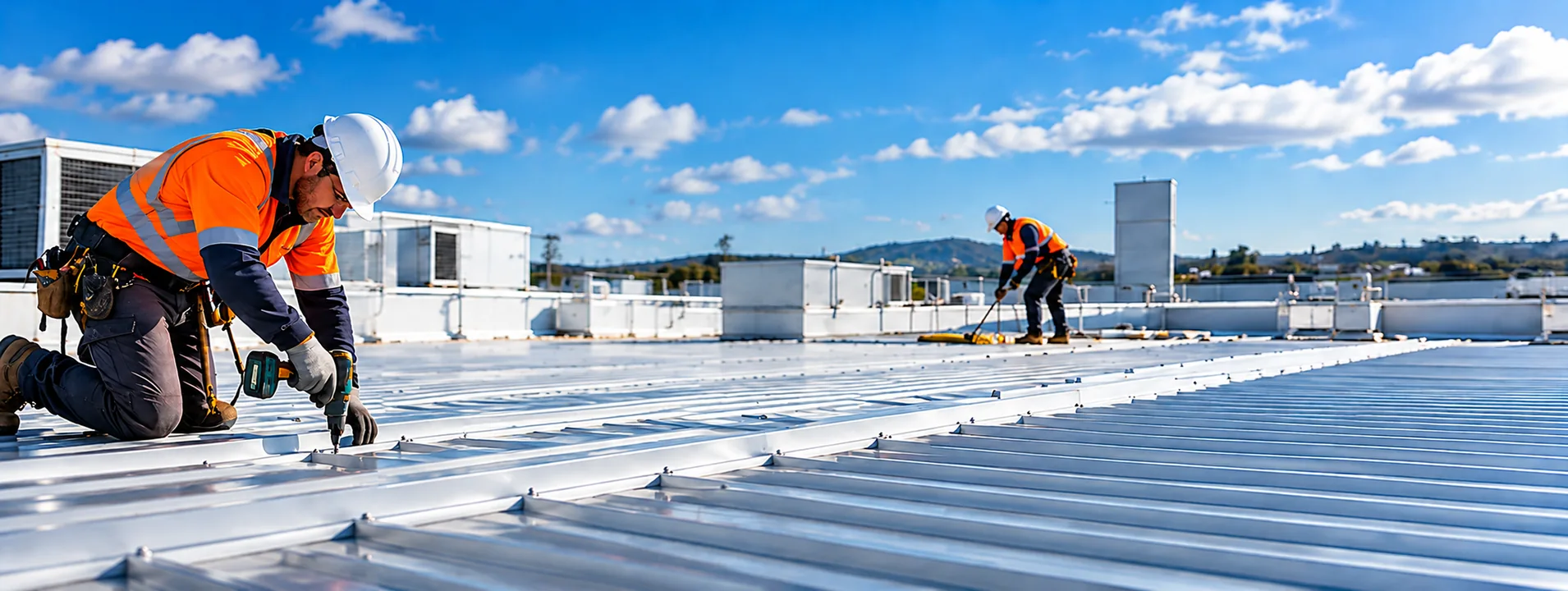
Commercial Roof Repairs Canterbury
Commercial Roof Repairs and Leak Detection Christchurch
Noticed a roof leak or water damage? Tell us what is happening. Get a Free Estimate
Water entering a commercial building can damage stock, ceilings, insulation, electrical equipment, and work areas. Even a small leak can become expensive if the underlying cause is left untreated.
Commercial Roofing Christchurch investigates roof leaks and roofing damage on warehouses, offices, factories, workshops, retail buildings, and other commercial properties throughout Canterbury.
The location of an internal drip does not always reveal where water is entering. Water can travel along roofing components or structural elements before appearing inside. Our approach is to examine the likely entry points and identify an appropriate repair rather than simply covering the visible symptom.
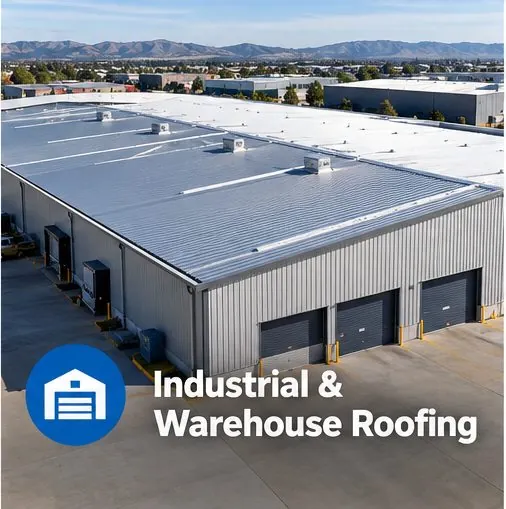
Commercial roof leaks can result from material deterioration, weather damage, poor drainage, ageing sealants, damaged flashings, or problems around roof penetrations. Understanding the cause is essential to choosing a suitable repair.
We investigate reported water entry and consider roof condition, weather patterns, drainage paths, penetrations, and visible defects. Some leaks are straightforward to locate, while intermittent leaks may require further observation or investigation. We explain what has been identified and where uncertainty remains.
Commercial metal roofing can develop corrosion, damaged laps, loose fixings, and physical damage. Depending on the condition and extent of the problem, individual sheets or sections may be suitable for repair or replacement. We assess the surrounding roof to avoid overlooking related deterioration.
Flashings protect roof edges, penetrations, junctions, and changes in roof direction. Movement, poor fixing, corrosion, or damaged sealants can allow water through these areas. We assess the existing details and discuss repairs appropriate to the roofing system.
Blocked or damaged gutters, outlets, and internal drainage systems can contribute to water backing up or overflowing into vulnerable areas. We inspect visible drainage concerns as part of leak investigations. The solution may involve clearing obstructions, repairing components, or correcting defective details.
Canterbury wind and storm conditions can expose weaknesses in roof fixings, flashings, and cladding. After severe weather, damaged roofing should be assessed safely before further work is planned. We discuss appropriate repairs and whether more extensive investigation is required.
| Service | Estimated Cost | Average |
|---|---|---|
| Leak investigation | Quoted by access and scope | Site-specific |
| Minor roof repairs | Quoted after assessment | Damage-dependent |
| Flashing and penetration repairs | Quoted by work required | Site-specific |
| Larger roof section repairs | Project quotation | Condition-dependent |
Repair costs depend on access, the source of the leak, roofing materials, extent of deterioration, and whether specialist equipment is required. Hidden damage may change the scope once exposed.
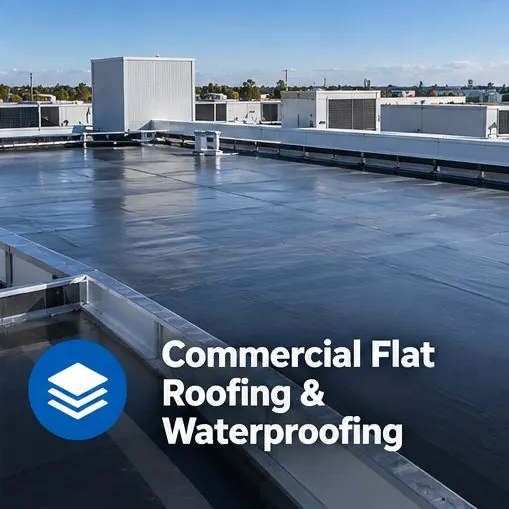
We look for the source of water entry rather than assuming the visible leak is the entry point.
We discuss targeted repairs when the roof condition supports them.
We explain when further investigation, maintenance, or replacement should be considered.
Water showing inside a building may have travelled from a different point on the roof. Common sources include deteriorated flashings, roof penetrations, blocked outlets, failed seams and damaged sheets.
Useful information for a leak enquiry includes the location of internal staining, when the leak occurs, photographs taken safely from inside and any previous repairs. A contractor should investigate the cause before recommending a permanent repair.
A clear project brief helps a contractor determine what information is needed before visiting. Include the roof type, the building use, known defects, access constraints and any deadlines. Avoid entering unsafe roof areas to take photographs; observations from the ground or inside the building can still be useful.
Roofing costs vary with materials, roof area, pitch, access, removal needs, drainage detailing and the extent of hidden deterioration. A site-specific quotation is more reliable than a generic square-metre figure. Confirm what the quoted scope includes and how unexpected defects would be handled.
Commercial Roof Restoration & Recoating · Commercial roofing in Hornby · Commercial roofing in Sockburn
For commercial roof repairs & leak detection, submit the building location and project details through the estimate form. Commercial Roofing Christchurch passes suitable enquiries to independent local roofing contractors, who contact you about assessment arrangements and provide quotations directly.
Before agreeing to any work, discuss proposed materials, access and safety arrangements, likely disruption, drainage details and the scope of the quotation with the contractor.
A persistent leak should be documented before and after repairs. Water can track along structural members, so the visible ceiling stain does not always identify the entry point. Ask whether the proposed repair addresses a specific failed detail and whether other nearby roof areas need attention. Never attempt to inspect an unsafe commercial roof yourself.
An initial discussion may help identify likely options, but accurate pricing and technical recommendations usually depend on the building and roof condition. A contractor can advise what assessment is required.
Commercial Roofing Christchurch refers suitable enquiries to local independent roofing contractors. The contractor discusses availability, inspection, scope and quotation directly with the customer.
Dealing with a commercial roof leak? Describe the problem and request a repair assessment.
Free — no obligations
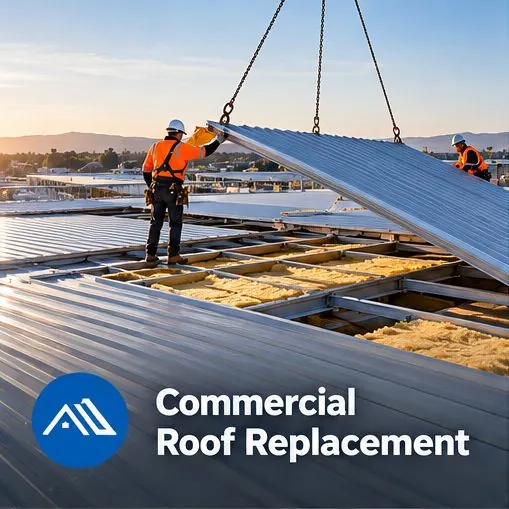
Tell us where water is appearing, when it occurs, and whether there is visible roof damage.
Review accessible roofing areas, drainage, flashings, and likely water entry points.
Explain the findings, proposed repair, and any limitations or further investigation needed.
Carry out the approved work with appropriate safety and weather considerations.
Explain what to watch for during future rainfall and whether additional maintenance is advisable.